

The Beginner’s Guide to Champagne: Grandes Maisons or Grower Champagnes?
Birthdays, anniversaries, and weddings. It’s on these special occasions that we pull out a bottle of champagne to celebrate a milestone. You may know that champagne is a highly regulated industry, and not just any bubbly wine can bear this label. Step aside, Prosecco, Crémant and Vouvray! From grape varieties to vineyard locations, champagne is clear, cut and dry. However, even with the AOC label, there remains a wide range of diversity between vine and bottle. For those looking to understand the champagne industry and simply how to better read wine labels, we’ve created a beginner’s guide to this bubbly beverage. We’re breaking down the differences between Grandes Maisons and Grower Champagnes as well as dishing our best secrets for reading bottle labels. And naturally, we’re sharing the best activities in Champagne for your next trip.
The Beginner’s Guide to Champagne: Grandes Maisons or Grower Champagnes?
Grande Maison, Grower Champagne… or Cooperative?

So what’s the difference between Grande Maison and Grower Champagne? It’s similar to the difference between shopping at Nordstrom and purchasing from a local maker. Big label versus artisanal. Household name vs. locally made. And then there are cooperatives, which are somewhere in the middle of the two other labels. Let’s break it down into layman’s terms.
Grandes Maisons
Their champagnes originate from grapes they’ve purchased from local growers or from “clear, natural base wines, in addition to grapes sourced from their own vines,” according to the Comité Champagne. Think Veuve Clicquot, Moët & Chandon, Perrier Jouët, Ruinart, Taittinger, and many others. There’s a good chance that the champagnes you know fall into this category. Grandes Maisons make up two-thirds of global champagne sales and nearly all exports, per Comité Champagne.
Grower Champagnes
Although the typical consumer can only name champagnes from the Grande Maison category, the reality is that winegrowers own and manage approximately 90% of champagne vineyards, per Comité Champagne. Simply put, grower champagnes are made by growers who harvest his their own grapes and craft the champagne.
In a Wine Folly article, oenological expert Bryan Maletis compares this type of champagne to single-origin coffee or farm-fresh eggs. “Because their sparkling wines are crafted with grapes from specific parcels of land and blended in small lots,” says Maletis, “they tend to taste very distinct and different every year.” Although just 5% of champagne imported to the United States belongs to the Grower Champagne category, per Wine Folly, this is not a reflection of quality. It simply refers to how the champagne was crafted.
Cooperatives
And somewhere in between winegrowers and Grandes Maisons is the cooperatives label. Starting in the 1950s, the new practice of cooperatives emerged, according to the Comité Champagne. A cooperative is exactly what it sounds like: working together. The idea is for growers to come together to share resources, knowledge and techniques. One reason that a wine grower may join a co-op is that he or she may not have all the equipment to craft the champagne, says Maletis. Wine growers who participate in cooperatives bring their grapes to the cooperative, which then presses and transforms them into wine, per Comité Champagne. Afterwards, the grower may choose to finish the process and sell it under his or her name; or the grower may choose to let the cooperative finalize the drink and sell it as a cooperative.
You might also be interested in our beginner’s guide to French wine.
Pro Tips for Reading Wine Labels
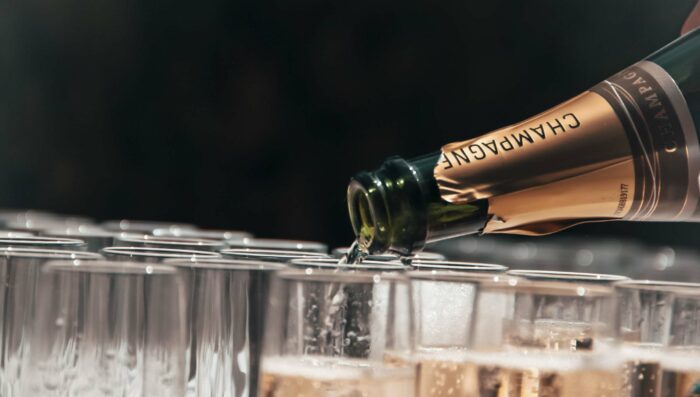
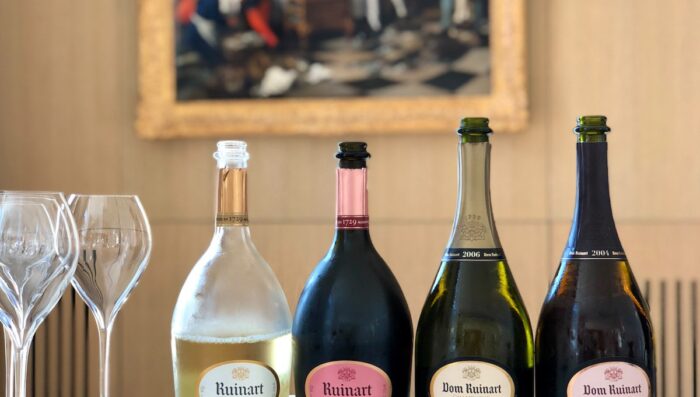
Perhaps the difference between Grandes Maisons and Grower Champagnes is all fine and dandy. But how does it come into play when I’m choosing a bottle of champagne? Like with all wines, it’s all in the label. If you see NM, this stands for “négociant manipulant;” this means that the person or company may use their own vines but may also purchase grapes, must or wine from other growers, per the French Ministry of Economy. Grandes Maisons will have the “NM” label.
If you see RM on the bottle, this stands for “récoltant manipulant” and means that the grower only uses his or her own grapes. The letters RC represent “récoltant-coopérateur.” This refers to growers who bring their grapes to a cooperative and then retrieve them to craft their champagne. And finally, the label CM refers to “coopérative de manipulation.” This label includes the cooperatives who use the harvest of their members and create the champagne.
Which region is known for which wine? Let us help with our article to an overview of the different French wine regions.
Best Activities in Champagne — Grande Maison or Grower Champagne
Getting thirsty? Whether you’re craving a glass from a Grande Maison, Grower Champagne or both, here are some of our favorite activities in the Champagne region.
Full-Day Driving Tour of the Champagne Region
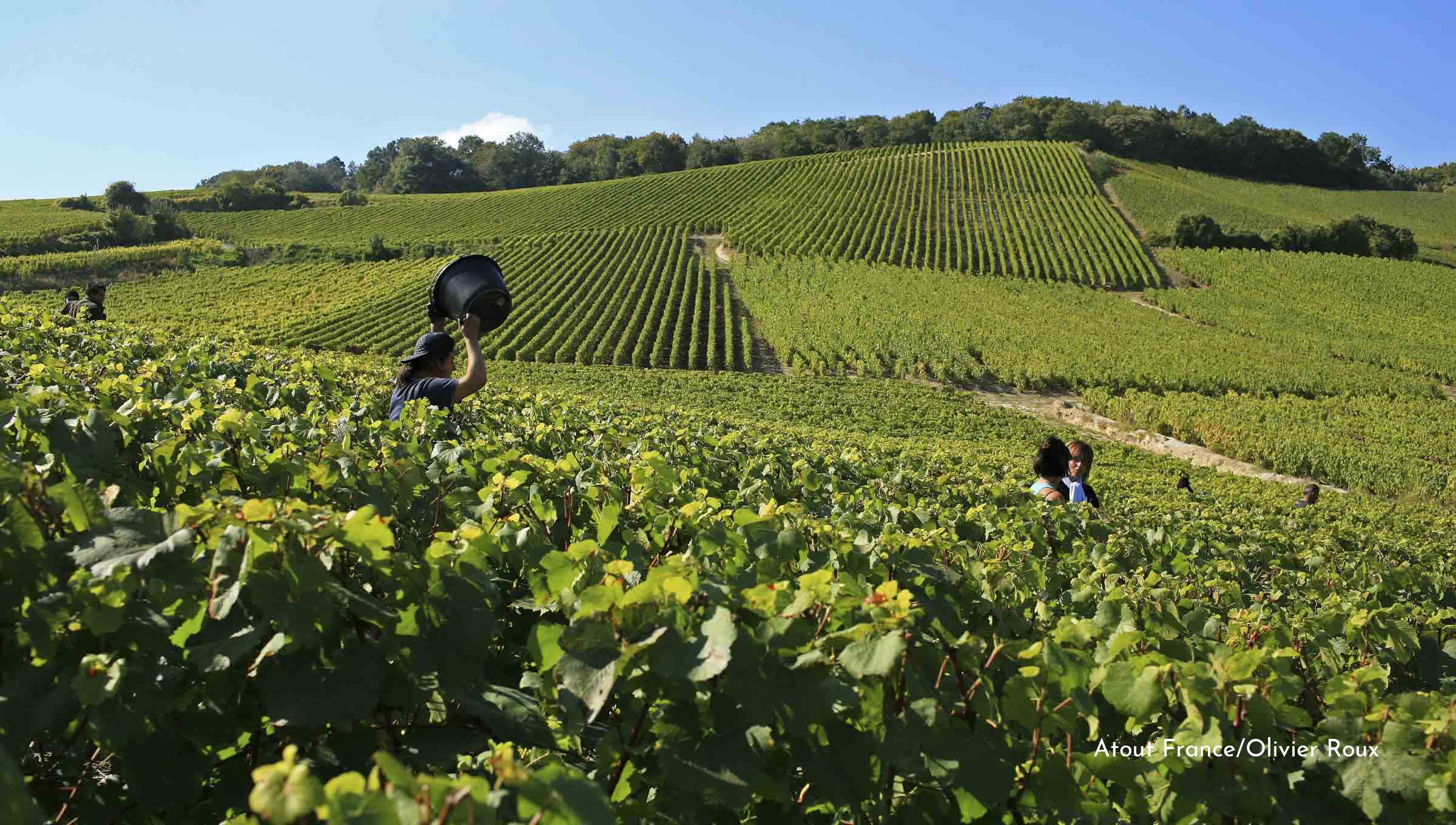
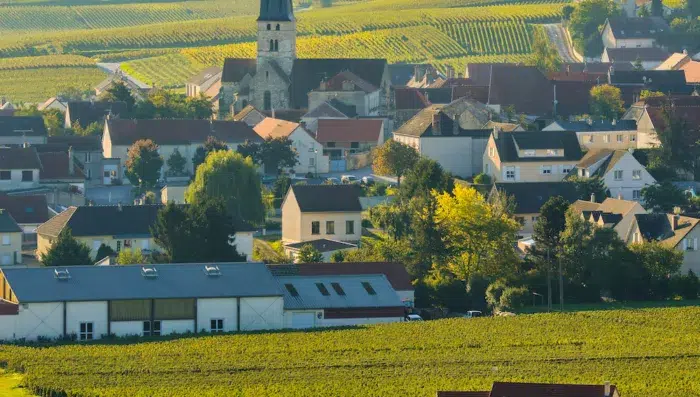
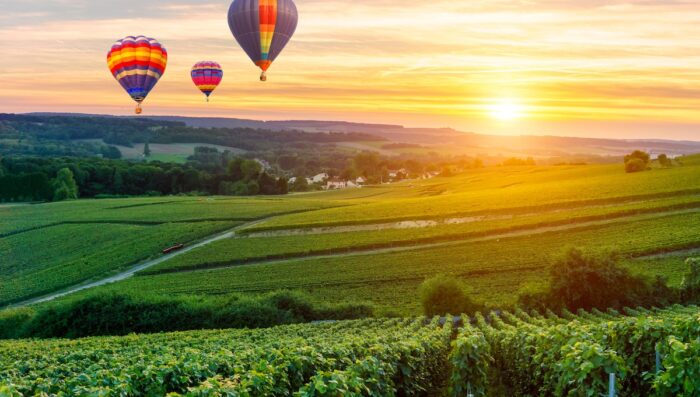
The mention of champagne may bring to mind glitz and glam. It’s true that this beverage evokes a certain prestige. However, the region of Champagne is rather bucolic. Think rolling vineyards, old cathedrals and cozy villages. On this full-day private tour, let your driver whisk you through the charming villages of Champagne. Begin the day with a visit to a family-run boutique with the Premier Cru label. Sip on a glass of bubbles in their cellar and discover the heritage of this independent producer. Later, wander the town of Hautvillers, and make a stop at Saint-Sindulphe Church, where Dom Perignon is buried.
But the true main event? An exclusive visit to the Dom Perignon cellars and its underground caves. During this 2-hour private experience, taste two of their iconic champagnes: Vintage of the Year and the Vintage P2.
If you prefer to spend more time exploring Grower Champagnes, we can adapt this experience to include visits to more independent producers in the Grand Cru area. Discover different cellars and meet the locals who have been crafting champagne for decades.
Private Meal in a Grande Maison
The vineyards may be where the champagne begins, but much of the magic happens way underground in the cellars. For a truly exquisite experience for your trip to Champagne, indulge in a private lunch or dinner in one of Champagne’s most renowned Grandes Maisons. Wander the underground cellars and learn about the craft of champagne before digging into a 4- or 5-course meal. One cuvée will be accompanied with each course. Santé !
Half-Day Group Driving Tour of the Champagne Region
Spend a half day with a group to discover and taste the treasures of Champagne. What’s a trip to this region with a visit to l’Avenue de Champagne in Epernay? After visiting this street that houses some of the Grandes Maisons. One might say the Champs-Elysées of Champagne. Next up, visit the charming town of Hautvillier, another landmark in this region.
On this shared group tour, don’t just drink but learn the ins and outs of this historic libation. Study up in a master class as you learn how to identify aromas and flavors found in champagne. After a “tough” study session, head to the table for a meal of regional specialities and, bien sûr, champagne.
You’ll also have the chance to stroll through this Champagne grower’s traditional press, vat room and cellar. Savor several tastings of their cuvées and be tempted by their gift shop.
Where to Stay in Champagne
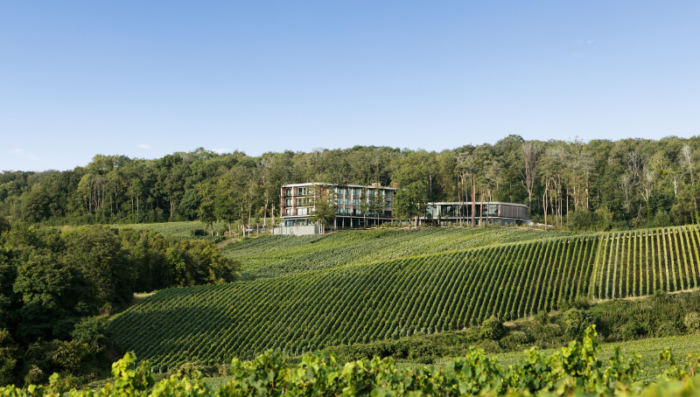
Loisium Wine & Spa Hotel near Epernay
Indulge in a luxurious stay at this hotel in the heart of Champagne’s vineyards. Choose between one of its 100-something rooms, and make a stop at its spa. Perhaps a visit to its sauna or a nice long massage? And best of all, there’s a bar inside the spa, which means sips of champagne in between your TLC treatments. Breakfast, lunch and dinner, Loisium has a wide variety of options for a flavorful stay.
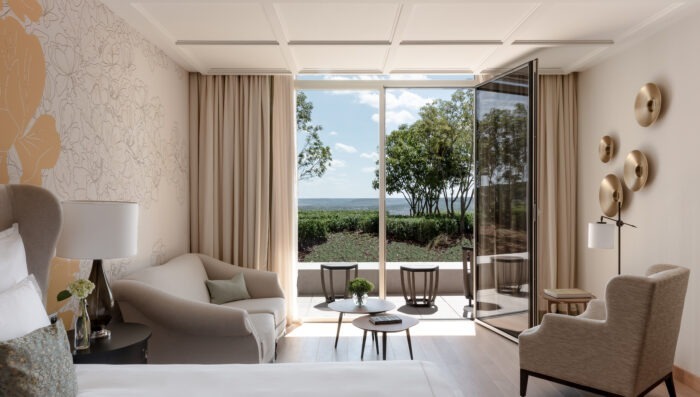
Royal Champagne Hotel & Spa near Epernay
Craving the most marvelous and luxurious trip in the Champagne region? Look no further than this hotel near Epernay that has achieved the palace status. With 47 rooms and suites — all with vineyard views — you’re sure to enjoy an exclusive stay in this region. From Dyptique products in the rooms to private patios, Royal Champagne Hôtel & Spa aims to please. Spend the day at its on-site spa, and make a visit to its Michelin-starred restaurant.
If the French are particular about their cuisine, they’re even more persnickety about their wine. And truth be told, they’re not wrong! Whether you prefer Grande Maison or Grower Champagne, your splendid trip to this region awaits. At French Side Travel, we’re here to help you craft a sparkling journey to France. Contact one of our travel specialists today to start your itinerary. You might also like: Three Wonderful Nights in Champagne or Exceptional Champagne Short Trip.